
Discovering Monterey Park: Roots in the Heart of Salinas
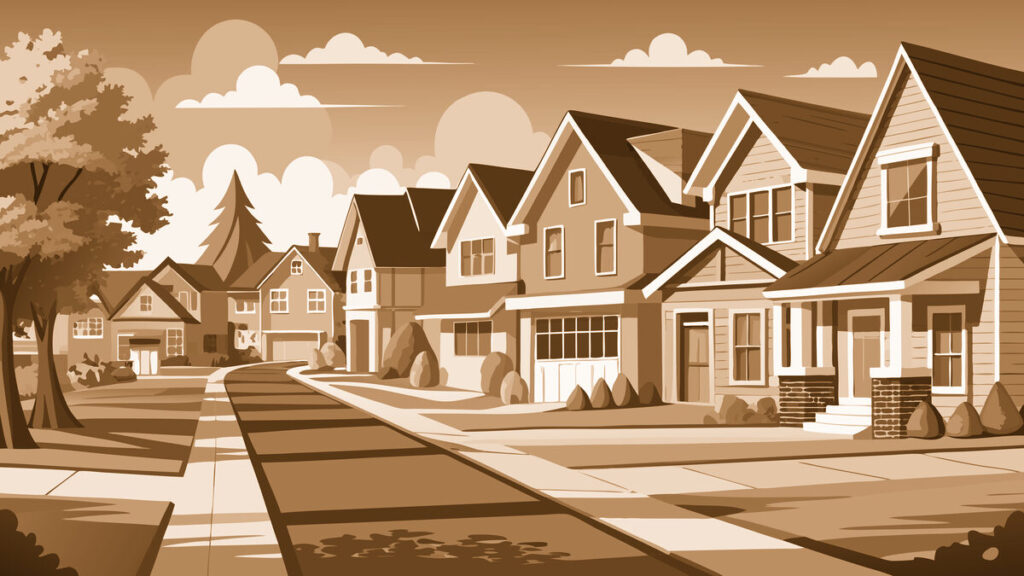
Walking the streets of Monterey Park, you immediately sense a mosaic of history and community spirit that distinguishes this treasured neighborhood in Salinas, California. For lifelong residents and newcomers alike, Monterey Park’s tree-lined avenues, friendly porches, and enduring landmarks reveal a story shaped by generations of families, cultural milestones, and a steadfast pride in local heritage.
The Origins of Monterey Park
Monterey Park’s roots trace back to the latter half of the 20th century, when Salinas was rapidly expanding beyond its historic downtown. As farmland bordering Alisal and the burgeoning North Salinas district gave way to residential development, a new neighborhood took shape—aimed at providing family homes, green spaces, and easy access to local schools and businesses.
The name “Monterey Park” was inspired by the area’s view toward the Monterey Peninsula to the west, as well as a desire to evoke the picturesque parks and open spaces that would define the neighborhood’s design. Early planners and builders wanted to create a gateway from the rich agricultural history of Salinas to the coastal beauty associated with Monterey County.
Laying the Foundation: Key Streets and Early Institutions
The backbone of Monterey Park quickly became its well-planned streets. Del Monte Avenue, with its stately trees and classic California bungalows, has served as a route for parades, walking commuters, and the buzz of children heading to and from school. Nearby, streets like Meridian Avenue and Madrid Circle became known for their holiday decorations and spirited community gatherings.
Central to the early neighborhood was Monterey Park Elementary School on Manhattan Drive, which opened its doors in the late 1960s. It quickly became a beloved institution, not just for educational excellence but also for hosting festivals, music nights, and youth sports. To this day, the school’s playgrounds and sports fields hum with the laughter and games of neighborhood children.
Neighborhood Milestones and Heritage Moments
Several moments in Monterey Park’s history were pivotal, weaving the fabric of the community tighter with each passing year.
- 1970s Growth Boom: Families from across California, including many from agricultural backgrounds, flocked to Monterey Park. The neighborhood’s convenient proximity to both downtown Salinas and the verdant fields of the Salinas Valley made it a melting pot of cultures and traditions.
- The Creation of Laurelwood Park: A true gem centered at Natividad Road and Laurelwood Drive, Laurelwood Park became a unifying green space. Featuring playgrounds, picnic tables, and open lawns, it has been the backdrop for countless birthday parties, soccer matches, and annual 4th of July gatherings.
- Community Advocacy: Over the years, residents banded together to preserve Monterey Park’s safety and character. Through neighborhood watch groups and active participation in city planning meetings, the community helped shape thoughtful growth and maintain the area’s family-friendly focus.
- Architectural Evolution: While the original homes showcased ranch and craftsman styles of the 1960s and 1970s, later decades saw tasteful remodels and occasional new builds, blending vintage charm with modern comfort.
Notable Landmarks and Neighborhood Icons
Monterey Park is anchored by landmarks that have stood the test of time, acting as touchstones for neighborhood identity:
- Monterey Park Elementary School: Beyond its academic legacy, the school’s muraled walls and shaded courtyards symbolize a community invested in its future.
- Laurelwood Park: Its playgrounds and annual community events make it the social heartbeat of the area.
- Natividad Road Corridor: Lined with small shops, storefront taquerias, and local service providers, this road has long been central to local commerce and daily life.
- Historic Bungalows on Del Monte Avenue: These homes, often lovingly maintained by the same families for decades, showcase ornamental gardens and Victorian touches reminiscent of Salinas’ broader architectural heritage.
Evolution and Community Spirit
Over the years, Monterey Park has gracefully adapted to change. As Salinas has grown into an agricultural giant and a diverse urban hub, Monterey Park has continued to attract families seeking a sense of safety, tradition, and neighborliness. The population has become increasingly multicultural, with each wave of newcomers adding to the neighborhood’s vibrant tapestry.
Longstanding traditions continue to thrive; block parties, community yard sales, and Halloween trick-or-treating are eagerly anticipated annual events. Newer residents are warmly welcomed, with neighborhood groups and online communities fostering connections and shared investment in the area’s future.
The neighborhood’s proximity to essentials—local markets, Natividad Medical Center, and the breathtaking Salinas River Trail—ensures convenience, but it is Monterey Park’s intangible spirit that residents cherish most. Stories are swapped at curbside gardens, children ride bikes from sunrise to sunset, and the echoes of the past mingle with the dreams of the future on every street.
A Neighborhood for the Next Generation
Today, Monterey Park stands as a model for what a Salinas neighborhood can be: rooted in history, thriving in the present, and open to transformation. Its parks continue to inspire play, its homes radiate warmth, and its people—whether new arrivals or third-generation locals—carry forward a legacy of pride and togetherness. Whether you’re admiring the holiday lights along Blackstone Drive or sharing summer picnics in Laurelwood Park, the enduring charm and heritage of Monterey Park are apparent in every sunlit moment.
Monterey Park isn’t just a place on the map of Salinas—it’s a living memory, a daily celebration of connection, and a beacon of the city’s storied past and hopeful future.